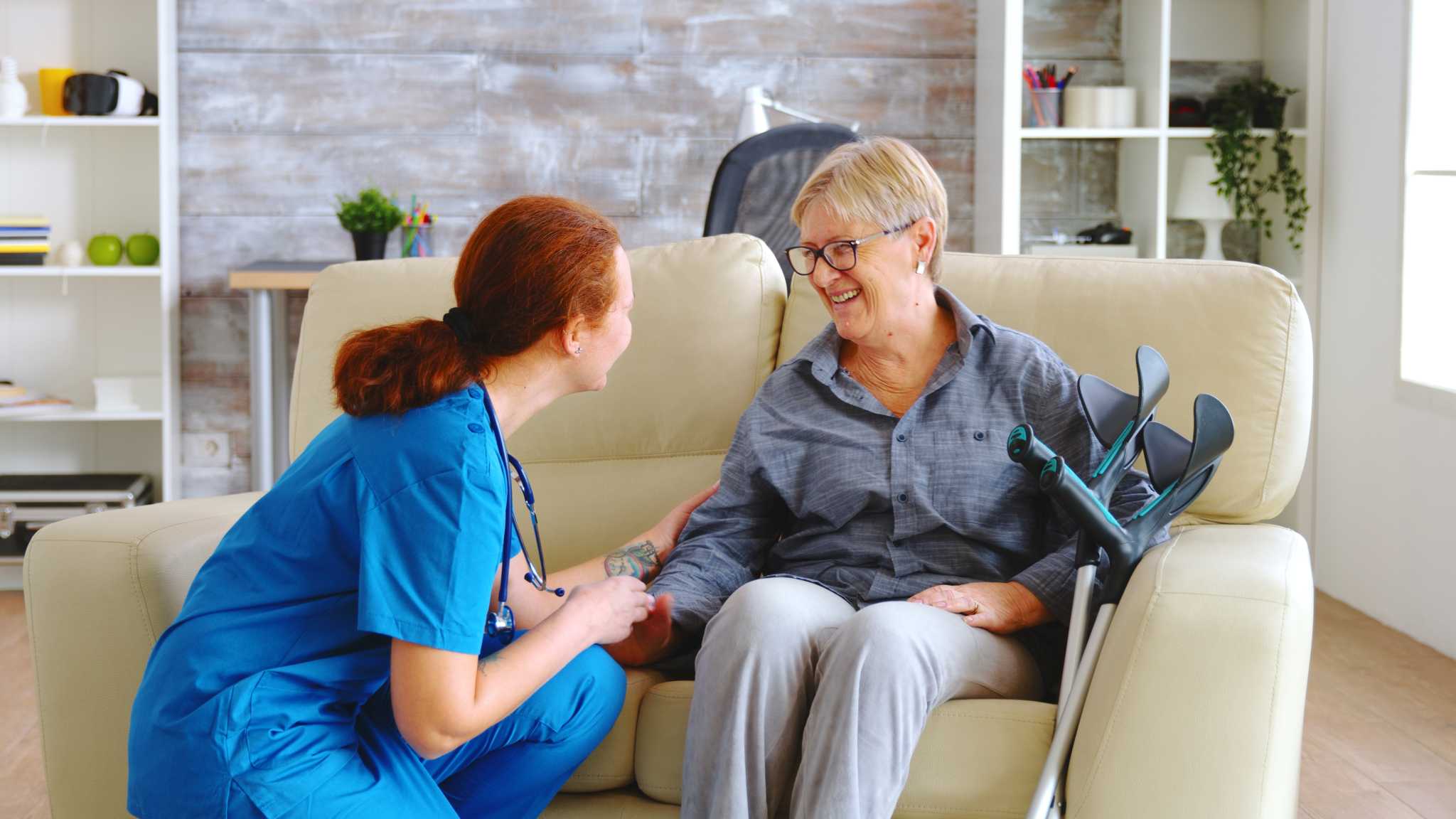
Bridgeview Home Care is a mid-sized non-medical agency in the American Midwest. Eighty-two caregivers rotate through personal care, companionship, and transportation visits for roughly 260 clients. Growth came quickly; reliable systems did not. Scheduling lived in spreadsheets and WhatsApp threads, documentation was handwritten or typed late at night, and billing teams rebuilt invoices by copying data from notes that weren’t always complete. Families phoned for updates the team didn’t have time to chase. Everyone was working hard; the work just wasn’t connected.
The Challenge
- Manual documentation: Progress notes were handwritten or typed after shifts; late entries and missing fields led to billing errors.
- Staffing gaps & no-shows: Schedulers juggled availability via calls and WhatsApp; last-minute changes routinely caused uncovered shifts.
- Compliance risk: Expiring certifications and incomplete care plans weren’t visible until audit prep.
- Slow revenue cycle: Invoices assembled by hand; common denials (missing signatures, wrong codes) delayed payments.
- Low family visibility: Families had limited, delayed updates—leading to anxiety and phone traffic.

The Solution (Care OnBoard)
Scheduling moved first. Care On Board’s smart-matching engine used skills, certifications, geography, and preferences to propose the right caregiver for each opening, while the caregiver app let staff publish real-time availability and receive automatic reminders.
Next came the unified care hub—plans, tasks, notes, and secure messaging in one place—with a family portal that made progress visible without adding work.
Voice-to-note followed: caregivers spoke naturally at the end of a visit while the system converted those words into structured, compliant documentation tied to EVV.
Finally, billing shifted to event-driven runs with validations for signatures, rates, codes, and attachments, and compliance moved to a live dashboard surfacing expiries, missing docs, and audit trails before they became violations.
Result in the First 90 Days
- Scheduler effort: ~15 hrs/week → 3.5 hrs (–77%)
- Unfilled shifts: –35%
- Notes completed within 24h: 58% → 92% (+34 pts)
- Billing error rate: –42%; DSO: –11 days
- Audit prep: ~42 hrs/quarter → <5 hrs (–88%)
- Family satisfaction (CSAT): 3.8 → 4.6 / 5
- Recovered revenue: $21,600 in missed billables in 90 days
Why it Worked
Everything drew from the same record of care. Scheduling read real availability; documentation triggered billing and satisfied compliance in the same motion; alerts pointed to the next right action for each role. Care On Board didn’t ask people to work harder—it removed the places where effort went to waste.